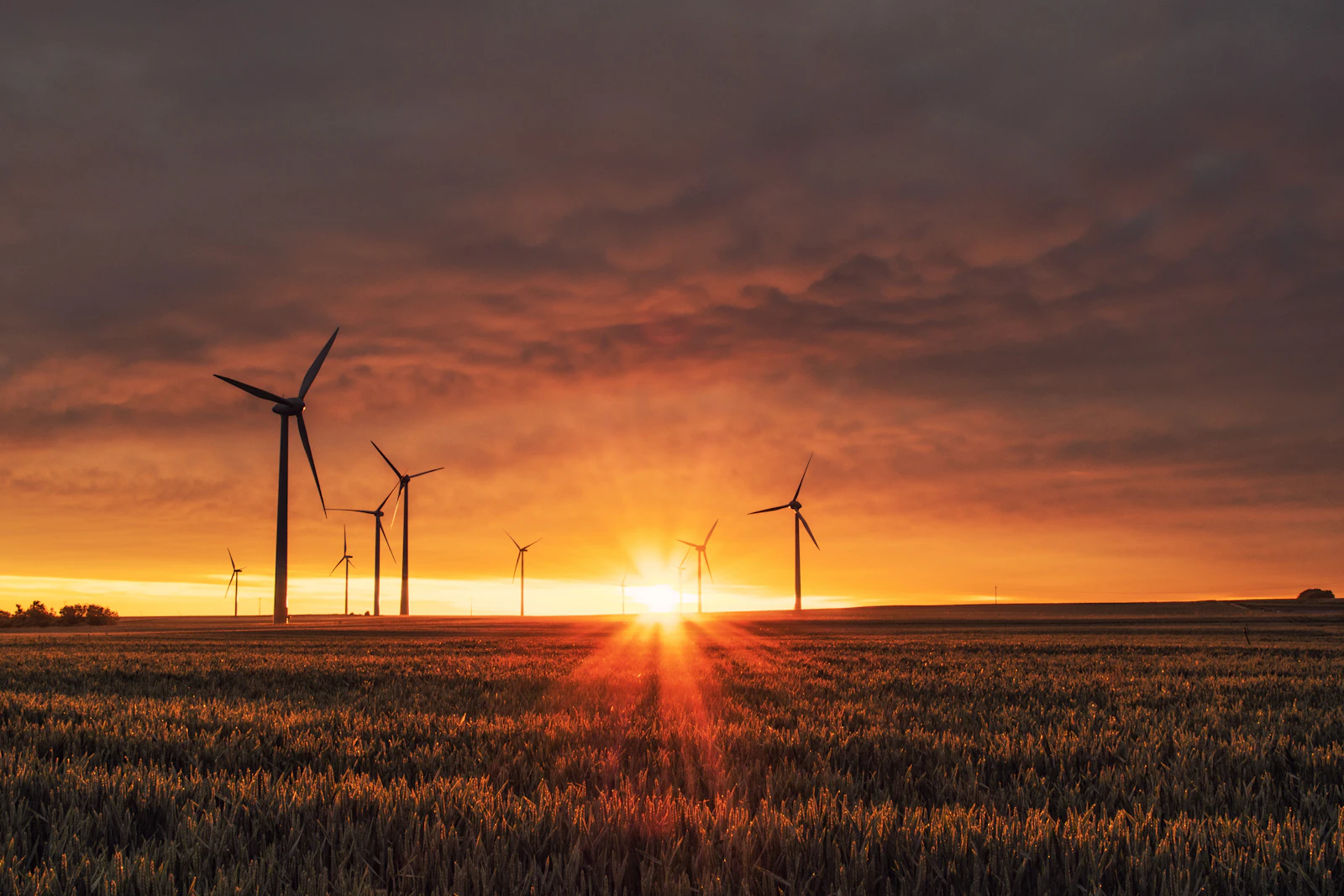
Energy that starts in the field and returns to it
Biogas connects agriculture, waste management and energy. Done well, it turns organic material into renewable fuel and gives nutrients back to the soil.
A closed loop from soil to fuel to soil
In a Napier-grass-based CBG plant, the same land that grows the feedstock can receive the organic manure recovered from digestate. Energy leaves the loop as CBG; organic matter and nutrients return.
Where biogas creates sustainable value
Renewable energy generation
Biogas is produced from recently grown biomass and organic residues. Upgraded to CBG, it provides a renewable gaseous fuel.
Agricultural biomass utilisation
Energy crops such as Napier grass and crop residues become a productive feedstock — and a potential additional income stream for farmers.
Organic waste valorisation
Organic material that would otherwise be burned, landfilled or left to decompose is converted into energy and manure.
Digestate recovery
Digestate is separated into fermented organic manure (FOM) and liquid fermented organic manure (LFOM), returning organic matter and nutrients to the soil.
Reduced fossil fuel dependence
Compressed biogas can substitute fossil-derived gas in suitable applications, contributing to lower dependence on imported fossil fuels.
Local value creation
Plants located near feedstock create rural employment in cultivation, logistics, operations and manure distribution.

Planning a biogas or CBG project?
Share your feedstock, location and the capacity you have in mind. We'll discuss how an integrated biogas plant could be configured for your requirement.