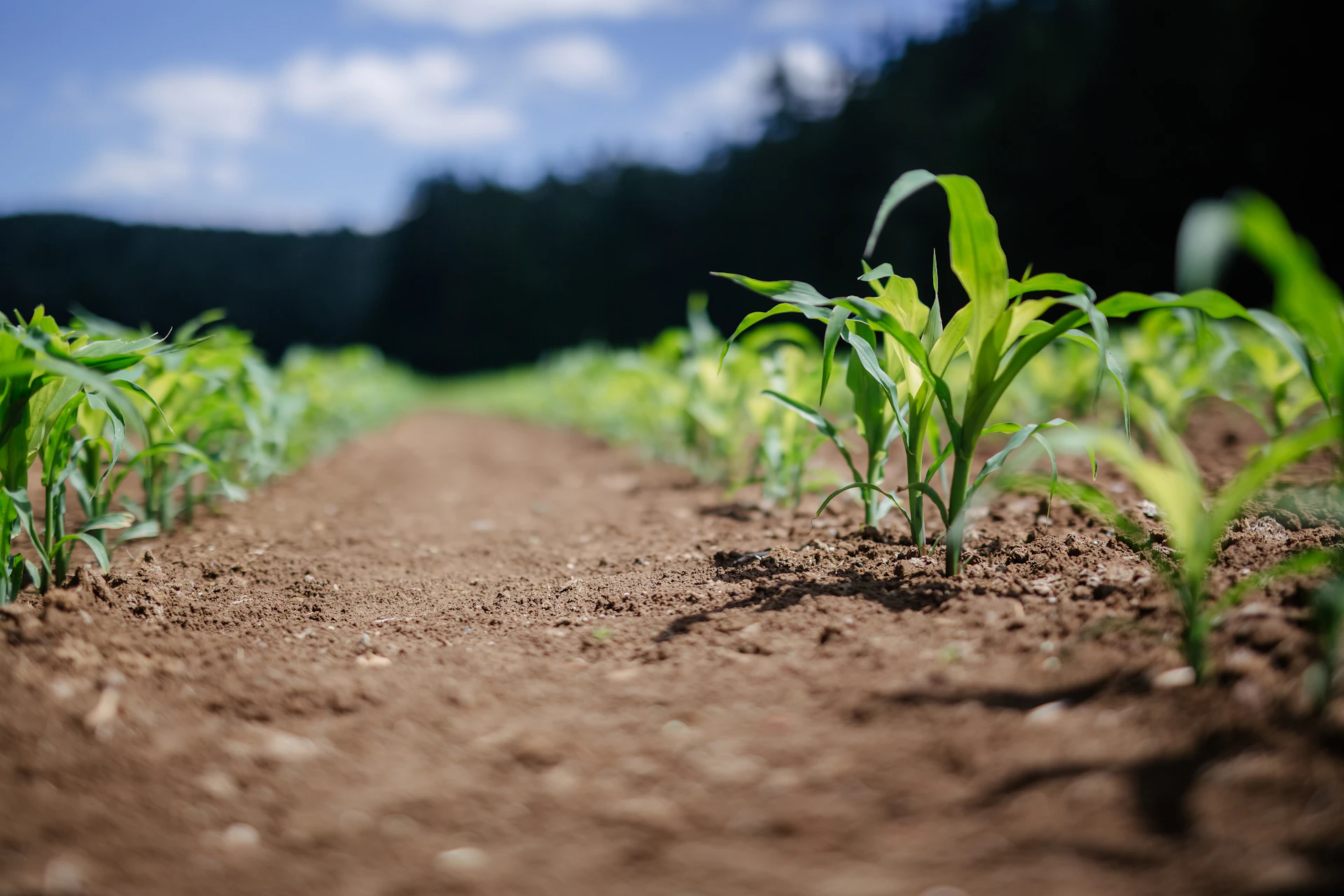
5 TPD Compressed Biogas Project – From Napier Grass to Renewable Energy
A proposed integrated compressed biogas plant designed to convert Napier grass and other organic feedstock into up to 5,000 kg/day of CBG, with fermented organic manure recovered from the digestate.
Proposed project. Technical figures are design values from the Detailed Project Report and the supplier's techno-commercial offer, and remain subject to final engineering, approvals and contractual confirmation.
Renewable gas from Napier grass in Beed
Deva Bio Engineering Private Limited is developing a compressed biogas plant at Shivni, Taluka Beed. The plant is designed around Napier grass as its primary feedstock, with multi-feedstock capability, and a rated output of up to 5,000 kg of CBG per day over 330 operating days a year.
Harvested grass is chopped, ground and made into slurry, then digested in a single 10,000 m³ mesophilic CSTR. The raw biogas is cleaned of H₂S, upgraded by removing CO₂, dried, compressed to a design pressure of up to 250 bar, odourised and dispatched through cascade filling. Digestate is separated into fermented organic manure (FOM) and liquid fermented organic manure (LFOM).
At a glance
- Feedstock
- Napier grass / multi-feedstock
- Digester
- 1 × 10,000 m³ CSTR
- CBG output
- Up to 5,000 kg/day
- Operation
- 330 days/year
- Location
- Shivni, Beed
Plant specification
Design parameters from the Detailed Project Report and the supplier's techno-commercial offer.
| Project | |
|---|---|
| Developer | Deva Bio Engineering Private Limited |
| Proposed location | Shivni, Taluka Beed, District Beed, Maharashtra |
| Project status | Proposed / under development |
| Operating basis | 330 days per year |
| Feedstock | |
| Primary feedstock | Napier grass / multi-feedstock |
| Design feedstock input | 115 TPD at 25% total solids |
| Digestion | |
| Digester | 1 × 10,000 m³ CSTR (continuously stirred tank reactor) |
| Process temperature regime | Mesophilic |
| Hydraulic retention time | Approximately 36 days |
| Biogas | |
| Raw biogas production (design) | 11,900 – 13,200 Nm³/day |
| Raw biogas methane content | 55 – 60% |
| CBG | |
| Rated CBG output | Up to 5,000 kg/day |
| CBG methane purity | At least 98% |
| Compression design pressure | Up to 250 bar |
| Dispatch | Odourised CBG via cascade filling |
| By-products | |
| Digestate handling | Solid–liquid separation into FOM and LFOM |
| Execution | |
| Indicative equipment delivery | 36 – 42 weeks (supplier estimate, subject to conditions) |
Napier grass to CBG — the plant process
The complete integrated process, followed by the plant block diagram.
Feedstock harvesting & receipt
Napier grass is harvested and brought to the plant, supplemented by other organic feedstock under the multi-feedstock design. The design basis is 115 TPD at 25% total solids.
Digestion, compression and digestate recovery
Simplified illustrations of the main process systems in the plant design.
CSTR digester
CBG cascade filling
FOM / LFOM separation
Purification and upgrading configuration
Technologies specified in the DPR, supplied through technology partners.
H₂S removal
Water washing / scrubbing with iron oxyhydroxide mediaHydrogen sulphide is removed early in the gas train to protect downstream equipment from corrosion and to meet CBG quality limits.
CO₂ removal & methane upgrading
Chilled-water scrubbing or two-stage membrane separationCarbon dioxide is separated from the gas stream to raise methane content from 55–60% in raw biogas to at least 98% in the product gas.
Gas drying
Desiccant dryer with heatless regenerationMoisture is removed so the gas meets dew-point requirements before high-pressure compression and storage.
High-pressure compression
Reciprocating compressor, design up to 250 barUpgraded gas is compressed in stages for cascade storage and dispatch as compressed biogas.
Automation & gas quality
PLC / SCADA with online gas quality monitoringProcess parameters and product gas composition are monitored continuously for stable, safe and documented operation.
By-products
FOM & LFOMActual FOM and LFOM quantities and their marketable quality depend on feedstock, plant operation and final product specifications, including applicable fertiliser regulations.
How the project will be delivered
Indicative equipment delivery is 36–42 weeks per the supplier's estimate, subject to conditions.
- 01
Feedstock planning
Napier grass cultivation and supply arrangements, with multi-feedstock flexibility to manage seasonal variation.
- 02
Engineering & approvals
Final process engineering, plot layout, statutory approvals and safety clearances for gas handling and storage.
- 03
Technology & equipment
Digester, gas upgrading, compression and filling systems delivered through specialist technology suppliers.
- 04
Construction & erection
Civil works, digester construction, mechanical erection, piping and electrical installation.
- 05
Commissioning
Biological start-up of the digester, gas-train commissioning and performance verification against design values.
- 06
Operations
Steady-state operation with feedstock logistics, gas quality monitoring, CBG dispatch and organic manure handling.
Interested in the 5 TPD CBG project?
Feedstock suppliers, CBG off-takers, technology partners and organic manure buyers are welcome to contact us about the Shivni project.