Engineering Sustainable Energy Through Biogas
Transforming organic waste and agricultural biomass into renewable compressed biogas through integrated engineering and sustainable energy solutions.
Design values for the proposed 5 TPD CBG project, from the DPR and supplier techno-commercial offer — subject to final engineering.
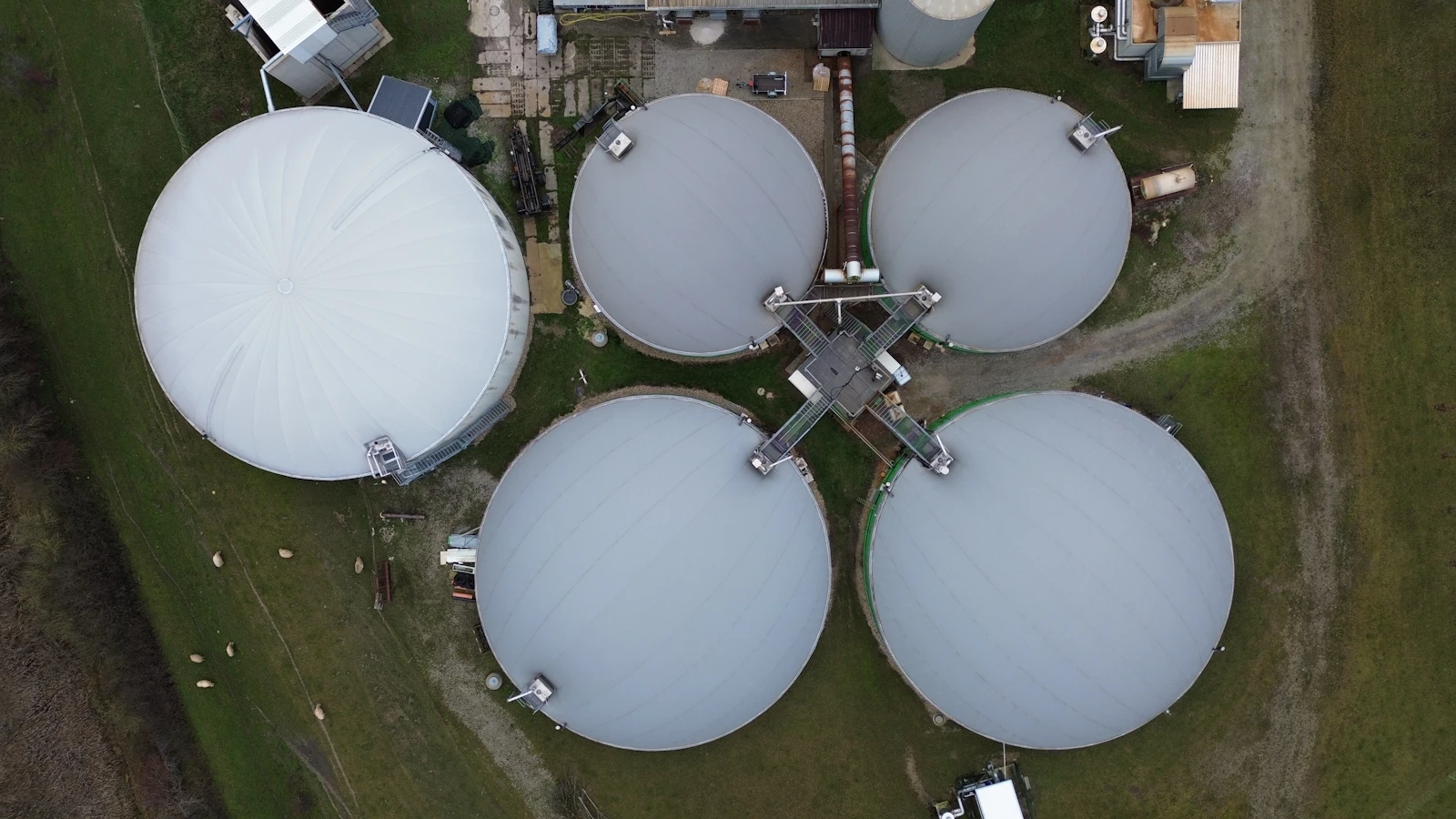
A biogas engineering company built around compressed biogas
Deva Bio Engineering Private Limited is a renewable energy company from Beed, Maharashtra, focused on biogas engineering and compressed biogas (CBG). Promoted by Mr. Devidas P. Sanap, the company is developing integrated plants that turn agricultural biomass and organic feedstock into renewable gas and organic manure.
Our first project — a proposed 5 TPD CBG plant at Shivni, Beed — is designed to run on Napier grass and other organic feedstock, and defines the engineering approach we bring to every biogas opportunity.
How we approach renewable energy
Four principles shape every plant we develop — from the first feedstock survey to steady-state operation.
Feedstock first
A biogas plant is only as reliable as its feedstock. We start with what can be grown or collected dependably — then size the plant around it.
Integrated engineering
Digestion, gas cleaning, upgrading, compression and filling are designed as one system, not as separate packages bolted together.
Circular value chain
Organic manure from digestate goes back to the farms that supply feedstock, so the plant returns value to its region.
Transparent by default
We publish design values as design values and proposed projects as proposed. Credibility is built on accurate information.
Biogas and CBG solutions, end to end
From feedstock to compressed biogas and organic manure. Each solution is labelled with how it is delivered today.
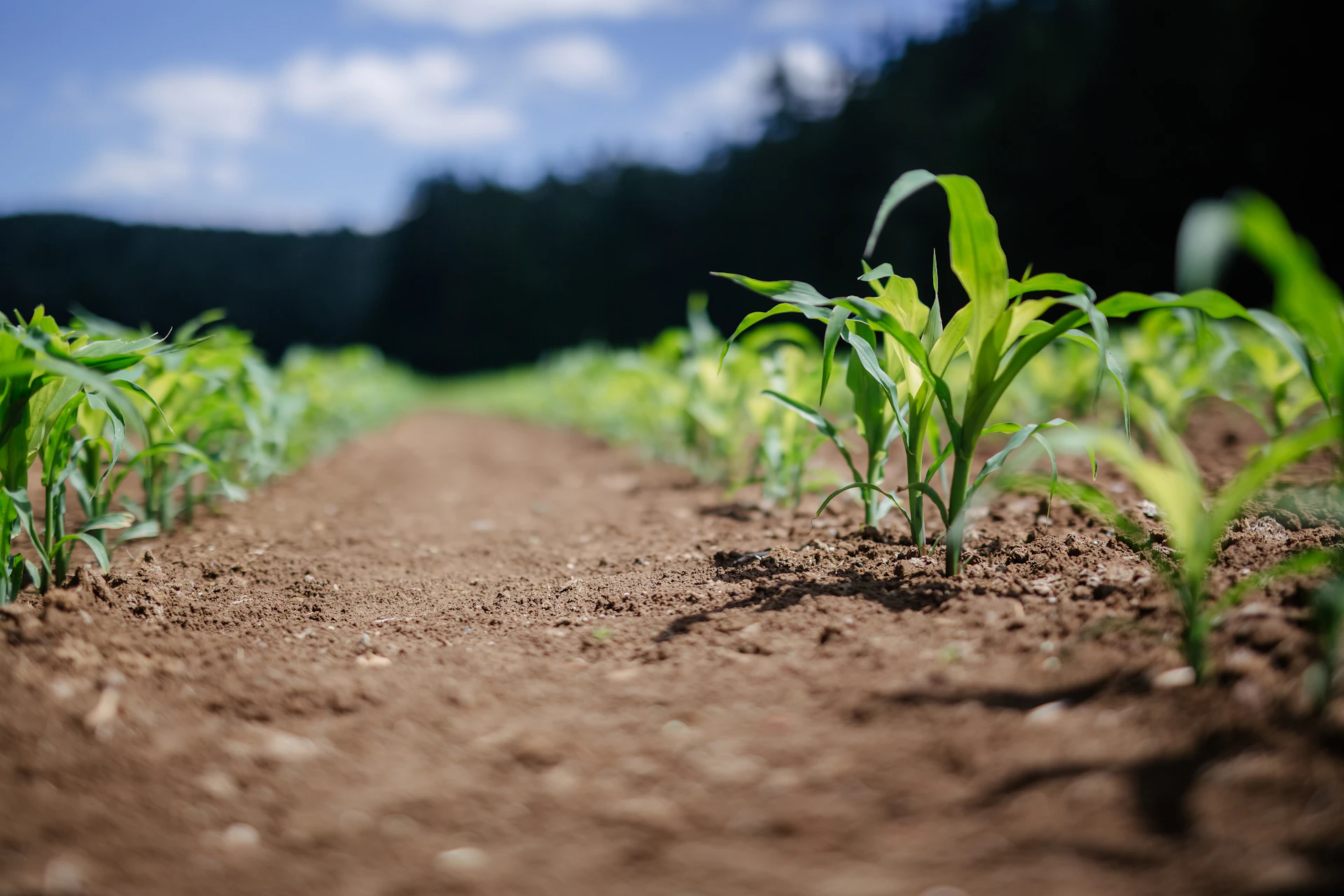
5 TPD Compressed Biogas Project – From Napier Grass to Renewable Energy
A proposed integrated compressed biogas plant designed to convert Napier grass and other organic feedstock into up to 5,000 kg/day of CBG, with fermented organic manure recovered from the digestate.
- Location
- Shivni, Beed, Maharashtra
- Feedstock
- Napier grass / multi-feedstock
- Digester
- 1 × 10,000 m³ mesophilic CSTR
- Raw biogas
- 11,900–13,200 Nm³/day
- CBG output
- Up to 5,000 kg/day
- By-products
- FOM & LFOM
How biogas works
Biogas is produced when microorganisms break down organic matter without oxygen. Upgraded and compressed, it becomes a renewable fuel.
Organic matter
Energy crops, crop residues, manure or organic waste provide carbon-rich material.
Anaerobic digestion
Microorganisms break it down in a sealed, oxygen-free digester at a controlled temperature.
Raw biogas
The process releases biogas — mostly methane and carbon dioxide — plus digestate.
Compressed biogas
Cleaned, upgraded and compressed, biogas becomes CBG: a renewable gaseous fuel.
From grass to compressed biogas in ten stages
The integrated process configuration of our flagship plant. Select any stage to see what happens there.
Feedstock harvesting & receipt
Napier grass is harvested and brought to the plant, supplemented by other organic feedstock under the multi-feedstock design. The design basis is 115 TPD at 25% total solids.
Industries with biogas potential
Wherever organic material is grown, processed or discarded, there is a potential biogas feedstock.
Capabilities across the biogas value chain
We integrate process design, partner technologies and operations into one plant. Specialised equipment — upgrading, compression and filling — is supplied by technology partners.
Project development
Feasibility, DPR preparation, feedstock planning and project structuring.
Process configuration
Matching digester volume, retention time and gas train capacity to feedstock.
Gas purification
H₂S removal, CO₂ upgrading and gas drying, selected with technology partners.
High-pressure systems
Reciprocating compression up to 250 bar design, odourisation and cascade filling.
Automation & monitoring
PLC / SCADA control with online gas quality monitoring.
Feedstock logistics
Harvest, transport, storage and pre-treatment planning for fibrous biomass.
Nothing wasted: organic manure from digestate
After digestion, the remaining material is separated into Fermented Organic Manure (FOM) and Liquid Fermented Organic Manure (LFOM).
- FOM — the solid fraction, conditioned as an organic soil amendment.
- LFOM — the liquid fraction, partly recirculated to slurry preparation.
- Back to the farm — manure can return to the fields that grow the Napier grass.
Actual FOM and LFOM quantities and their marketable quality depend on feedstock, plant operation and final product specifications, including applicable fertiliser regulations.
Our project development methodology
A structured path from opportunity to operating plant.
- 01
Feasibility & feedstock assessment
Quantity, consistency and characteristics of available feedstock, and site suitability.
- 02
Technical configuration
Process selection, mass balance and capacity sizing across the plant.
- 03
Technology partners & approvals
Selection of technology suppliers and EPC partners; statutory and safety clearances.
- 04
Construction & erection
Civil works, digester construction, equipment erection, piping and electricals.
- 05
Commissioning
Biological start-up, gas train commissioning and performance verification.
- 06
Operations
Feedstock management, gas quality monitoring, dispatch and by-product handling.
Why work with us
Grounded in a detailed project report
Our flagship plant's configuration comes from a documented DPR and supplier techno-commercial offer — not generic estimates.
Focused on biogas and CBG
Biogas engineering and compressed biogas are our core business, not a side line.
Napier grass expertise in development
We are building practical know-how in grass-based digestion: chopping, slurry preparation and CSTR operation.
Rooted in Marathwada
Based in Beed district, close to the farmers, feedstock and agro-industries our projects depend on.
Partner-backed technology
Specialised equipment comes from established technology suppliers, integrated into one coherent plant.
Honest project communication
Clear status labels, design-value caveats and no invented references — so you can plan with confidence.
Frequently asked questions
Common questions about compressed biogas, Napier grass feedstock and our flagship project.
CBG is biogas that has been cleaned and upgraded to a high methane content and then compressed for storage and transport. In our flagship design the product gas has at least 98% methane and is compressed to a design pressure of up to 250 bar, making it comparable in use to compressed natural gas.
Napier grass is chopped, ground and mixed into a slurry, which is fed to an anaerobic digester. Microorganisms break down the organic matter without oxygen and release biogas — mainly methane and carbon dioxide. The gas is then cleaned, upgraded, dried and compressed into CBG.
Napier grass is a high-yield perennial grass that can be harvested several times a year, giving a plant a plannable feedstock base. It can be grown by local farmers, creating an additional income source, and our plant design also allows other organic feedstock to be used alongside it.
A continuously stirred tank reactor (CSTR) is a digester in which the contents are mixed so that feedstock, microorganisms and temperature stay uniform. Our flagship project uses a single 10,000 m³ CSTR operating in the mesophilic temperature range with a hydraulic retention time of about 36 days.
Digestate is separated into a solid fraction, Fermented Organic Manure (FOM), and a liquid fraction, Liquid Fermented Organic Manure (LFOM). Part of the liquid is recirculated to slurry preparation. Actual quantities and quality depend on feedstock and plant operation.
The 5 TPD CBG plant at Shivni, Beed is a proposed project under development. The technical figures published on this website are design values from the Detailed Project Report and the supplier's techno-commercial offer, and remain subject to final engineering and contractual confirmation.
No. Specialised equipment such as gas upgrading, compression and filling systems is supplied by technology partners. Deva Bio Engineering's role is developing the project and integrating feedstock, process, technology partners and by-product value chains into one working plant.
The most useful starting points are the type of feedstock, the quantity available per day and how consistent it is through the year, the proposed location, and the plant capacity you have in mind. You can share these through our enquiry form.
Planning a biogas or CBG project?
Share your feedstock, location and the capacity you have in mind. We'll discuss how an integrated biogas plant could be configured for your requirement.